
Cricket: Rules and how it works
Browse SportsMonkie's rules and how it works about cricket, organized in one crawlable topic hub.
18 articles in this topic.
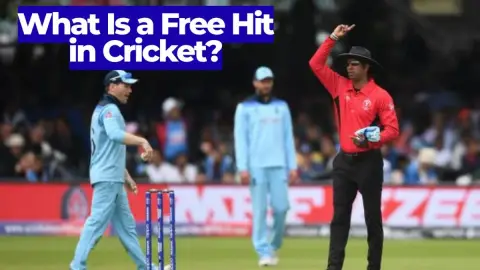
What Is a Free Hit in Cricket? The Rule Explained
A free hit is the delivery a bowler must bowl after a no-ball in limited-overs cricket, on which the batter cannot be dismissed by most methods.
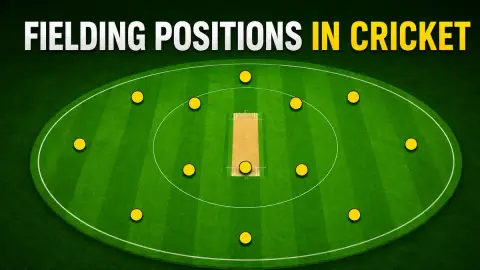
Fielding Positions in Cricket: A Clear Guide to Every Spot
Learn every cricket fielding position, from slips and gully to long-on and fine leg, grouped by close catchers, infield and boundary riders.
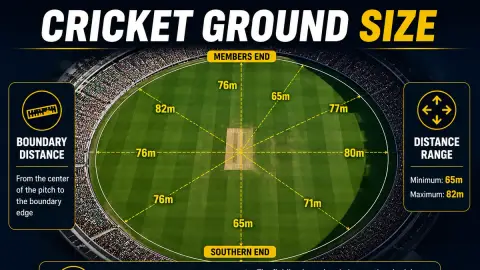
Cricket Ground Size: Dimensions, Boundaries & Field Layout
There is no fixed cricket ground size: ICC playing conditions set a boundary of 65 to 90 yards from the pitch centre, so grounds vary widely in shape and scale.
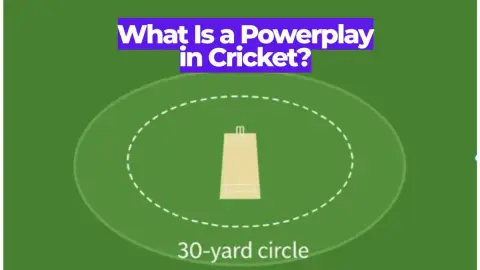
What Is a Powerplay in Cricket? Rules Explained
A powerplay is a fixed set of overs where the fielding side may keep only two fielders outside the 30-yard circle. Here are the exact ODI, T20 and T20I rules.
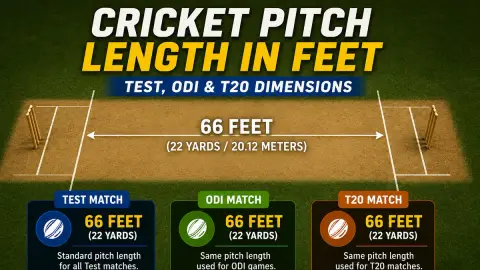
Cricket Pitch Length in Feet: Test, ODI & T20 Dimensions
A cricket pitch is 22 yards (66 feet / 20.12 m) long in Test, ODI, and T20 - the length is the same across all senior formats; only the overs differ.
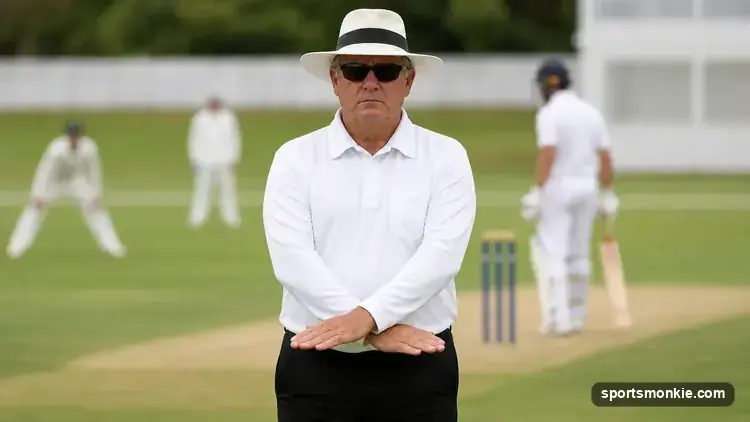
What Is a Dead Ball in Cricket? Rule and Common Situations
A dead ball is a delivery from which no runs score and no batter is out. Learn when the ball goes dead, who decides, and why it matters in a tight finish.
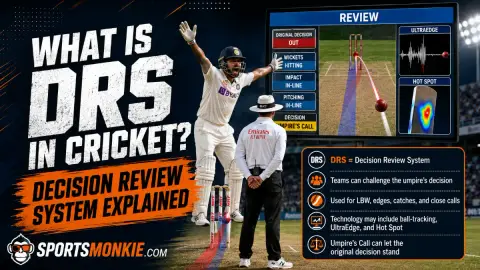
What Is DRS in Cricket? Decision Review System Explained
DRS lets teams challenge an umpire's call using ball-tracking, edge detection, and Hot Spot. Here's how reviews work, how many you get, and umpire's call.
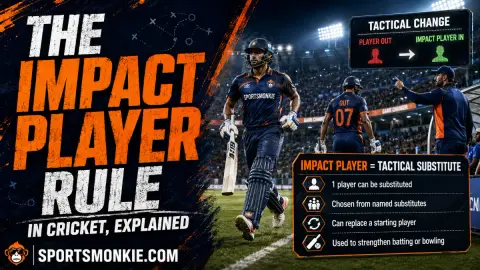
The Impact Player Rule in Cricket, Explained
The Impact Player rule lets a T20 team swap in one substitute mid-match to bat or bowl. Popularised by the IPL, here is how it works and when subs enter.
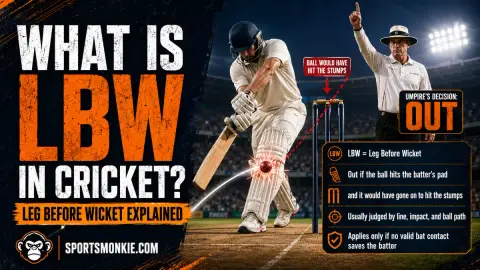
What Is LBW in Cricket? Leg Before Wicket Explained
LBW means the ball would have hit the stumps but struck the pad first. Here are the exact conditions umpires check and how DRS decides close calls.
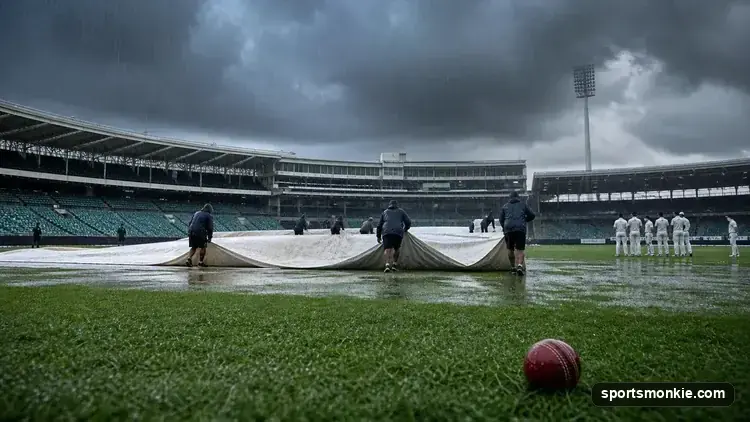
DLS Method in Cricket Explained: How Rain Targets Are Set
The Duckworth-Lewis-Stern (DLS) method resets targets in rain-hit limited-overs cricket using overs and wickets left. Here's the logic, with examples.
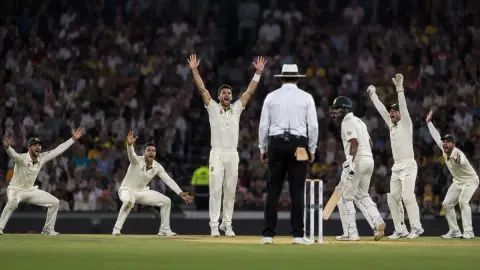
Appealing in Cricket: What It Is and How It Works
An appeal in cricket is the fielding side's formal request for a dismissal. Without one, an umpire cannot give a batter out, even one who clearly is.
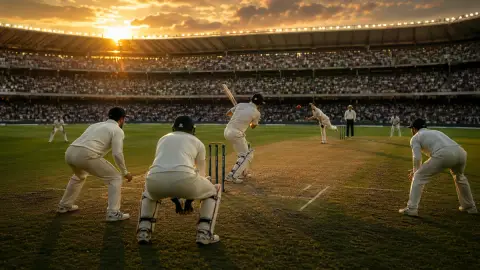
15 Basic Rules of Cricket Every Fan Should Know
Cricket has a detailed rulebook, but these 15 core rules cover how the game is played, how batters are dismissed, and how runs are scored.
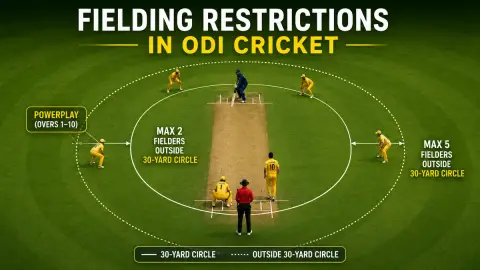
Fielding Restrictions in ODI Cricket: Powerplay Rules Explained
ODI cricket uses fielding restrictions called powerplays that limit the number of fielders outside the 30-yard circle. Here is exactly how they work.
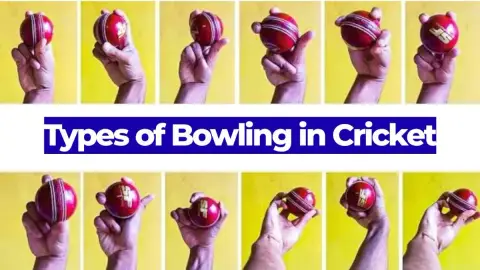
Types of Bowling in Cricket: Pace and Spin Explained
A clear guide to the types of bowling in cricket, from fast and swing bowling to off spin, leg spin, and deliveries like the yorker, googly, and doosra.
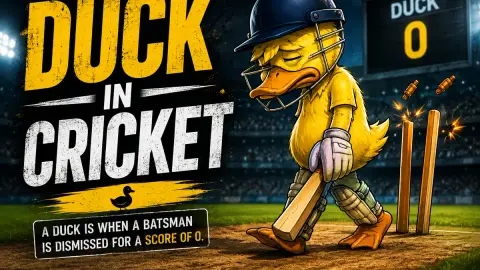
Duck in Cricket: Golden, Diamond, Royal & Every Type Explained
A duck is when a batter is dismissed without scoring. Here are all the types — golden, silver, pair, king, diamond and royal duck — with clear definitions.
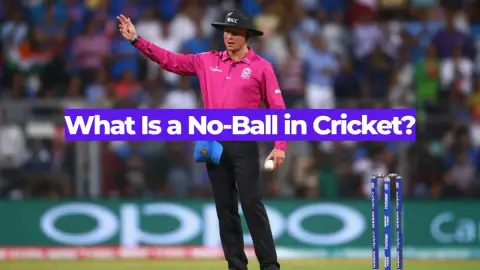
What Is a No-Ball in Cricket? Types, Rules & the Free Hit
A no-ball is an illegal delivery that costs the bowling side a run and a re-bowl. Learn every type, the free-hit rule and how a batter can be out off one.
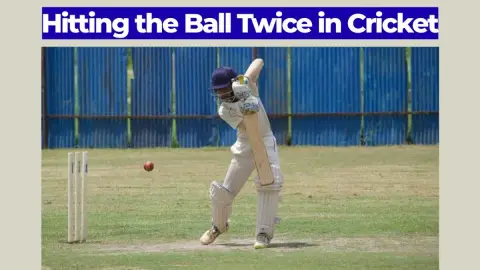
Hitting the Ball Twice in Cricket: Law 34 Explained
Law 34 lets a batter hit the ball twice only to defend the wicket. Do it for any other reason and you are out 'hit the ball twice'. Here is how the rule works.
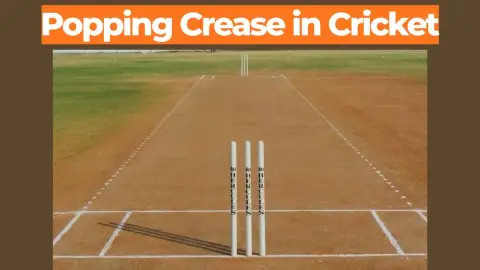
Popping Crease in Cricket: The Batting Line Explained
What the popping crease is, how all the cricket creases are measured, and why the popping crease decides no-balls, stumpings, and run-outs.