
Cricket Ball Size and Weight: Full Comparison by Format
On this page5
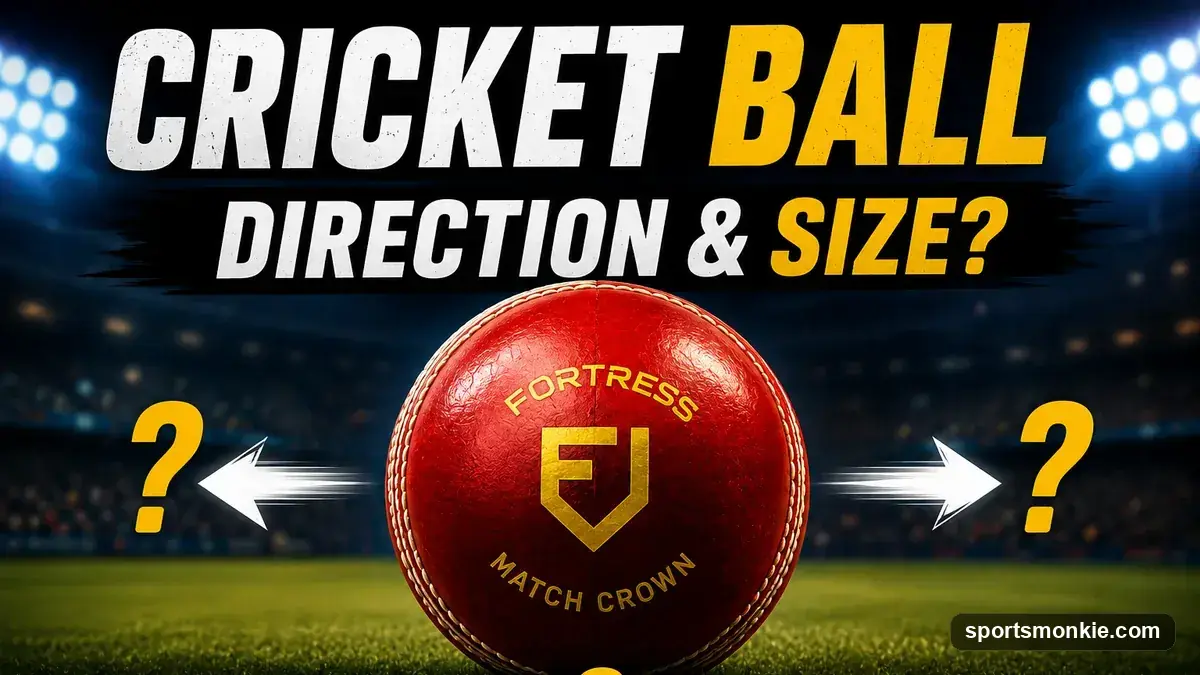
A batter facing a 90mph delivery has less than half a second to react, and every one of those milliseconds is shaped by a ball whose weight and size have barely changed since Victorian cricket administrators wrote them into law. Law 4 of the MCC Laws pins a men’s ball to 155.9-163 grams and a circumference of 22.4-22.9 cm. Women’s and junior balls are lighter and a touch smaller.
Official cricket ball specifications
| Format / Level | Weight | Circumference |
|---|---|---|
| Men’s senior (Test, ODI, T20I) | 155.9 g – 163 g | 22.4 cm – 22.9 cm |
| Women’s senior | 140 g – 151 g | 21.0 cm – 22.5 cm |
| Under-13 / junior (approx.) | ~133 g | ~20.5 cm |
Exact junior specifications may vary by national board.
Red, white, and pink balls: same size, different purpose
All three colours meet identical weight and size limits. What differs is how they’re made and where they get used. The red ball, used in Test and first-class cricket, swings more as the lacquer wears off and can reverse-swing once it’s roughed up past the 40 or 50-over mark. The white ball, used in ODIs and T20s, gets replaced from both ends in one-day cricket specifically because it loses its shine (and its swing) faster than red leather. The pink ball exists for one reason: visibility under floodlights in day-night Tests, and manufacturers have spent years adjusting its lacquer just to keep it seeing conditions comparable to a red ball.
Seam condition, lacquer thickness, and how much sheen a ball holds all vary between manufacturers, and that’s really where the “different feel” between balls comes from. The Laws don’t touch any of that. They only fix weight and circumference.
How cricket ball size compares to other sports
| Sport | Ball weight (approx.) | Circumference (approx.) |
|---|---|---|
| Cricket (men’s) | 156-163 g | 22.4-22.9 cm |
| Baseball | 142-149 g | 23.0-23.5 cm |
| Tennis | 56-59 g | ~21.0 cm |
| Football (soccer) | 410-450 g | 68-70 cm |
A cricket ball sits between a tennis ball and a baseball in weight, and it’s far smaller and harder than a football.
Why the dimensions matter
A taller seam gives spinners and seam bowlers more to grip and more surface to disturb the air with, which is the mechanical basis of swing. Weight affects bounce too: a heavier ball holds its line better off a hard, true pitch. And the hardness is exactly why cricket at senior level requires a helmet, pads, and gloves. This isn’t a soft ball, and it doesn’t behave like one.
How a ball is actually built
Inside is a cork core wound tightly with twine. Around that goes four pieces of leather stitched together, raised into the seam that bowlers spend years learning to use. Dukes, Kookaburra, and SG make the balls used at top level, and each brand’s seam height and lacquer recipe is different enough that players notice: Dukes balls are known for holding their seam and swinging longer in English conditions, Kookaburra tends to go softer and stop swinging sooner, which is part of why pitches and ball choice get debated so much in Test cricket.
Frequently asked questions
How much does a cricket ball weigh?+
Under MCC Laws, a men's cricket ball must weigh between 155.9 g and 163 g (5.5 oz to 5.75 oz). Women's cricket uses a slightly lighter ball of 140–151 g.
What is the circumference of a cricket ball?+
A men's cricket ball has a circumference of between 22.4 cm and 22.9 cm (8.81–9.00 inches). The women's ball circumference is 21.0–22.5 cm.
Is a red cricket ball different in size from a white ball?+
No. Red, white, and pink cricket balls used in senior men's cricket all conform to the same weight and size specifications under the Laws of Cricket. The colour affects visibility and swing behaviour, not the physical dimensions.
Why are different coloured cricket balls used?+
Red balls are used in Test and first-class cricket, played in daylight over long periods. White balls are used in limited-overs day-night cricket for visibility under lights, and pink balls were introduced for day-night Test matches, offering better visibility than red while lasting longer than white.
How is a cricket ball made?+
A cricket ball has a core of cork wound with tightly bound string, encased in a leather cover of two hemispheres stitched together with a raised seam. The seam is crucial for bowlers, aiding swing and seam movement, and the leather is polished on one side to encourage swing.
What size cricket ball do children use?+
Junior cricket typically uses lighter balls than the standard men's ball, often around 133–143 g for youth cricket, to suit smaller hands and reduce injury risk. Many young and beginner players also use softer or incrediball-style balls before progressing to a hard leather ball.
Why does the cricket ball's condition matter?+
As a match progresses, one side of the ball is polished and the other left rough, creating the imbalance that produces conventional and reverse swing. Managing the ball's condition legally is a key skill, which is why ball-tampering to alter it artificially is a serious offence.
Sources
Play & tools
Free browser games and tools — no account, no download.
- Play today's Sports Connections — Today's Sports Connections — daily hints, answers, and play the grid.
- Play Guess the NFL Player — A new mystery NFL player every day. Eight guesses, with a clue on each — plus free unlimited mode.
- Explore all our games →
Related cricket guides
View all →
Cricket Bat Weight: What Weight Do Cricketers Use?
Most professional cricketers use bats weighing 2 lb 7 oz to 2 lb 12 oz (about 1.1-1.25 kg). The Laws cap blade size but set no weight limit at all.
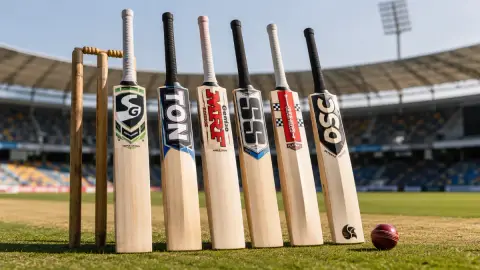
Best Cricket Bats: What to Look for and Top Brands
The best cricket bat depends on your level, preferred weight, and budget. This guide covers the key specs and the brands players consistently rate highest.
What Is a Cricket Bat Called? Names, Parts, and Rules
A cricket bat is simply called a cricket bat, but its parts have specific names and it must meet strict ICC rules on size, weight and material. Full guide.
Fastest Century in Cricket (Every Format)
AB de Villiers holds the fastest ODI century at 31 balls. The fastest hundreds in T20, ODI and Test cricket explained, with the record-holders for each format.
What Weight Bowling Ball Should I Use?
A common guideline is a bowling ball about 10% of your body weight, up to the 16 lb max. How to pick the right weight you can actually control.
WNBA Ball Size: Exact Weight, PSI and NBA Difference
A WNBA ball is size 6, usually 28.5 inches and 20 ounces. See the official rule range, NBA comparison, pressure, material and buying advice.