
How to Shoot a Soccer Ball: Technique, Power & Accuracy
On this page6
Watch a shot sail over the bar from eight yards out and the reaction is almost always the same: “how did he miss that.” Usually the answer isn’t a lack of talent, it’s one broken link in the chain, a plant foot in the wrong spot, a floppy ankle, a body leaning back at the exact wrong moment. Fix the chain and the ball starts finding the net instead of the stand behind it.
The Basics of a Good Shot
Every well-struck shot shares the same core mechanics:
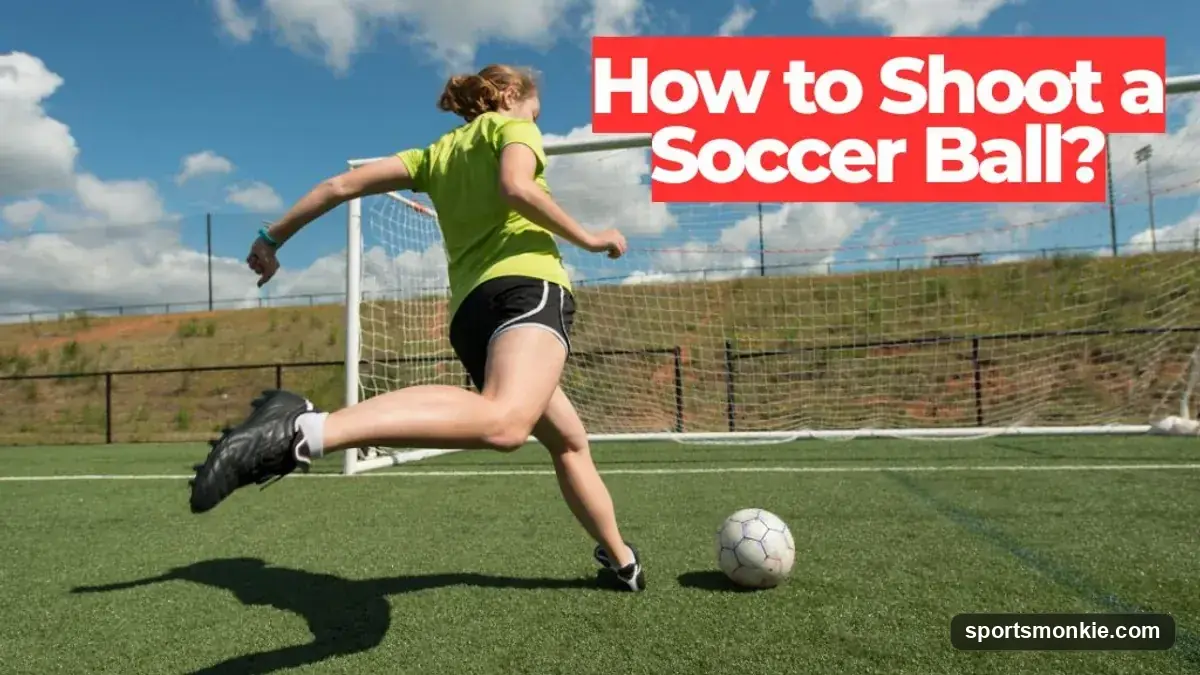
- Approach angle: come at the ball from a slight angle, roughly 30 to 45 degrees, not straight on. An angled run lets your hips rotate fully into the strike.
- Plant foot: place your non-kicking foot beside the ball, about 15 to 20 cm away, pointing toward your target.
- Body position: lean your chest slightly over the ball. Leaning back is what causes ballooned shots.
- Contact: strike with the laces through the centre of the ball for a flat, powerful shot.
- Follow-through: swing your kicking leg fully through and let it continue upward after contact.
Three Core Shot Types
| Shot Type | Foot Contact | When to Use |
|---|---|---|
| Laces drive | Centre of instep | Maximum power from distance |
| Inside foot placed | Inside arch area | Accuracy into corners from inside the box |
| Outside foot curl | Outside of foot | Disguised shot or curved effort around keeper |
The Laces Drive: Step-by-Step
This is the fundamental power shot.
- Approach at a 30 to 45 degree angle.
- Take a long last stride so your plant foot lands beside the ball.
- Lock your ankle, toes pointing down and firm, not floppy.
- Swing from the hip, keeping your knee over the ball at contact.
- Strike the centre of the ball with the flat of your laces.
- Follow through so your kicking foot ends up pointing at the target.
The Inside-Foot Placed Shot
Accuracy over power. Used when you need to place the ball into a corner rather than blast it.
- Use the flat inside arch of your foot
- Open your hips toward the target early
- Plant foot points at the target
- Strike through the side of the ball, not the centre
Common Mistakes and How to Fix Them
Shots going over the bar: you’re leaning back. Drive your chest forward as you kick, on purpose if you have to think about it.
Shots lacking power: your ankle isn’t locked. Practice striking with a rigid foot before you add pace to the run-up.
Shots consistently wide: your plant foot is pointed away from the target. Check its direction every single time.
Ball bobbling or dipping unpredictably: you’re not hitting the ball cleanly through its centre. Slow the movement down and focus on precise contact before building speed back up.
Shooting Drills to Build Technique
- Static ball drill: Place a stationary ball and practice 20 laces drives per session focusing purely on body position and follow-through.
- One-touch shooting: Have a partner roll the ball to you; shoot first time. Trains quick decision-making and contact.
- Angle shooting: Set up cones at different angles to the goal and shoot from each. Reinforces adjusting plant foot for different approach angles.
Frequently asked questions
What part of the foot do you use to shoot a soccer ball?+
The laces (instep) generate the most power. The inside of the foot is used for placed, accurate shots. The outside of the foot can be used for curved or disguised efforts.
How do you shoot a soccer ball harder?+
Lock your ankle, lean over the ball, and swing fully through on contact. A full follow-through and a locked ankle (toes down, firm foot) are the two biggest factors in generating shot power.
Why do my shots keep going over the bar?+
Leaning back at the moment of contact causes the ball to go high. Keep your chest over the ball and your non-kicking foot level with or just behind the ball, not behind you.
Sources
Play & tools
Free browser games and tools — no account, no download.
- Play 38-0 — Sign a 4-4-2 of all-time football legends and chase a perfect 38-0 league season — perfect, not just unbeaten.
- Explore all our games →
Related football guides
View all →
How to Juggle a Soccer Ball: Step-by-Step for Beginners
To juggle a soccer ball, drop it onto your dominant foot and kick it back up, keeping it below chest height. Start with one touch and build up gradually.
How to Shoot a Three-Pointer: Range, Power & Footwork
Learn how to shoot a three-pointer with a legs-driven stroke, clean footwork behind the line, and a range-building plan that keeps your form the same at 24 feet.

How to Shoot a Lacrosse Ball Faster: A Technique Guide
Shoot a lacrosse ball faster by generating torque with your hips and shoulders, driving the top hand and snapping the bottom. Here's the full technique.
What Is Trapping in Soccer? Ball Control Techniques Explained
Trapping in soccer means using part of the body to receive and bring a moving ball under close control. Learn the main techniques and why they matter.
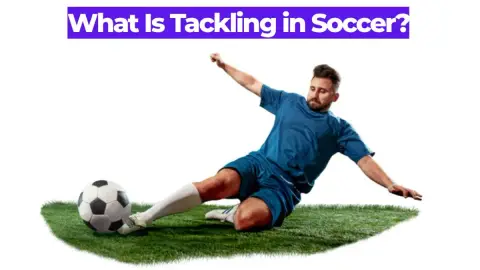
What Is Tackling in Soccer? Types, Rules, and Technique
Tackling in soccer is a defensive skill used to dispossess an opponent. Learn the types of tackles, when they are legal, and what makes a tackle a foul.
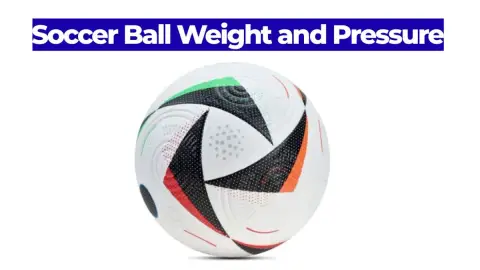
Soccer Ball Weight and Pressure: Official FIFA Standards
A FIFA-approved match ball must weigh 410 to 450 grams and be inflated to 0.6-1.1 atmospheres (8.5-16 psi) at sea level under the Laws of the Game.