
How to Play the Ramp Shot in Cricket: Technique Guide
On this page6
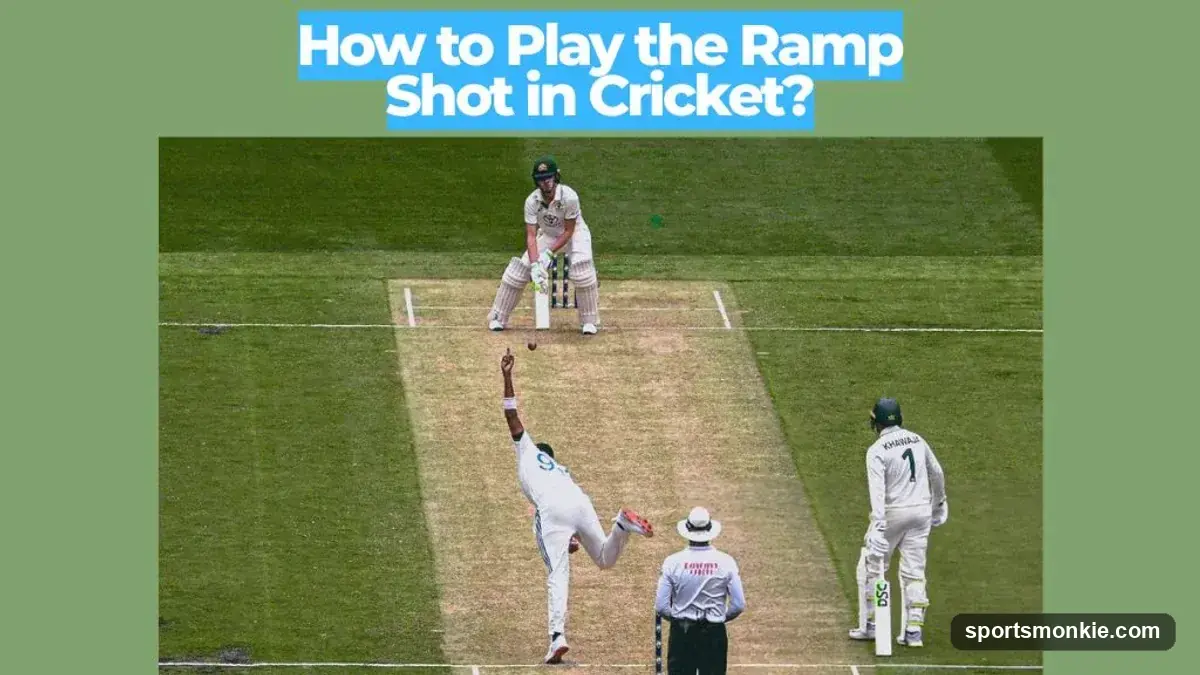
Angle the bat face skyward right at the point of contact and a full or back-of-a-length ball sails over the wicketkeeper or backward point instead of into a fielder’s hands. That’s the ramp shot: using the bowler’s own pace, rather than bat speed, to clear the infield toward fine leg or third man.
Why Batters Use the Ramp
The ramp reaches gaps a conventional shot can’t. Captains stack the off-side infield during powerplays and death overs in T20 cricket, so a drive usually finds a fielder while a ramp finds the rope. It also messes with a bowler’s plans: someone aiming at the blockhole has to think twice once the batter can scoop that exact ball over the keeper for four.
The shot grew out of T20-era improvisation and is now standard equipment for top-order and specialist white-ball batters.
Two Variations of the Ramp
| Variation | Direction | Best Ball to Use On |
|---|---|---|
| Over the keeper | Straight down toward fine leg | Full ball, middle/off stump |
| Toward third man | Angled behind backward point | Short of length, outside off |
| Lap-ramp | Over fine leg, slightly squarer | Full ball on leg/middle stump |
Understanding which variation suits the delivery prevents misdirection.
Step-by-Step Technique
1. Pick up the length early. The ramp needs commitment before the ball arrives. Decide late and the bat angle comes out wrong, sending a top edge straight to a fielder.
2. Move into position. Many batters step slightly across toward off, creating room to open the bat face without the body getting in the way. Some move outside off stump entirely for extra space.
3. Angle the bat face upward. Tilt the face skyward as the ball arrives. Think roof, not wall: the ball should travel at roughly 45 degrees upward, not into the ground.
4. Soft hands at contact. Hard hitting kills this shot. The ball’s own pace provides the energy, so grip lightly and guide it rather than swing.
5. Head stays still. Track the ball onto the bat face with your eyes. The instant the head moves toward fine leg in anticipation, the bat comes off line.
6. Follow through upward. Let the bat continue skyward after contact. Stopping it abruptly kills both elevation and direction.
Common Mistakes
- Deciding too late, so the bat face is flat at contact and the ball goes straight to mid-off or the bowler.
- Using too much bottom hand, which forces the bat down instead of up and produces a top edge.
- Moving the head too early, tilting it before contact and pulling the bat out of line.
- Trying it against full deliveries on leg stump, where the geometry doesn’t work; a sweep or flick is the better option there.
Drills
- Throw-down ramps: have a partner throw full deliveries at off stump from 10 metres. Work only on bat angle and head position.
- Tee practice: set a tee at knee height outside off and practice the tilting bat face action without footwork until the angle feels instinctive.
- Target training: hang a target above and behind the wicketkeeper’s position and aim for it deliberately during practice.
Reading the Field and Situation
Only ramp when there is a clear gap. If a fine leg is stationed specifically to stop the ramp, adapt: go squarer toward third man, or abandon the shot entirely and drive straight. The ramp is a weapon, not a reflex.
Frequently asked questions
What is the ramp shot in cricket?+
The ramp shot is played by opening the bat face skyward as the ball arrives, ramping it over the wicketkeeper's head or toward third man. It is most effective against full or good-length deliveries outside off stump.
How do you avoid top-edging the ramp shot?+
Keep your head still and eyes on the ball as long as possible before tilting the bat. Committing too early or moving your head causes the bat to come offline, leading to a top edge directly to a fielder.
Is the ramp shot only for T20 cricket?+
While it is most common in T20 and the death overs of ODIs, the ramp can be used in any format when the field is packed on the off side and there is an obvious gap over the keeper's head or at fine leg.
Sources
Play & tools
Free browser games and tools — no account, no download.
- Play today's Sports Connections — Today's Sports Connections — daily hints, answers, and play the grid.
- Play Guess the NFL Player — A new mystery NFL player every day. Eight guesses, with a clue on each — plus free unlimited mode.
- Explore all our games →
Related cricket guides
View all →
How to Play a Sweep Shot in Cricket: Complete Technique Guide
The sweep shot is a front-foot stroke to full-length spin, hitting the leg side with a horizontal bat. Learn the kneeling position, grip, and placement.
How to Play a Hook Shot in Cricket: Technique and Timing
The hook shot punishes short-pitched deliveries, hitting them fine behind square on the leg side. Learn the grip, footwork, and head position to play it.
How to Play the Periscope Shot in Cricket
The periscope shot is a vertical-bat stroke to short balls at the body, holding the bat upright to deflect it over the leg-side fielders. Learn the method.
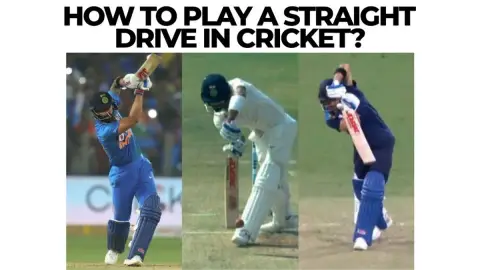
How to Play a Straight Drive in Cricket: Technique and Timing
The straight drive is cricket's classic front-foot shot, played to a full ball on off stump and hit past the bowler. Learn the stance, grip, and swing.
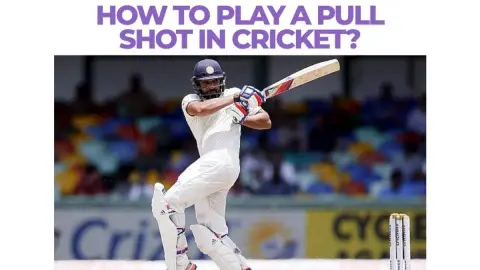
How to Play a Pull Shot in Cricket: Grip, Stance, and Timing
The pull shot is a back-foot attacking stroke to short deliveries at waist to chest height, hit square on the leg side. Here is how to play it correctly.
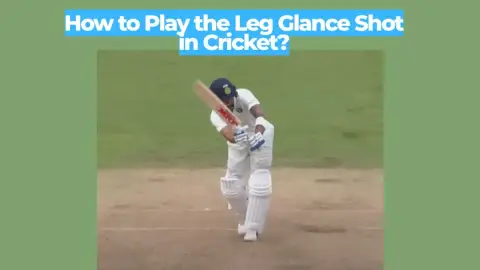
How to Play the Leg Glance Shot in Cricket
The leg glance redirects a ball angled into the body toward fine leg with a subtle deflection. One of cricket's most elegant, effective scoring shots.