
Best Finishers in Cricket History: Who Seals Games Under Pressure
On this page17
- 01The greatest cricket finishers at a glance
- 02MS Dhoni
- 03Michael Bevan
- 04AB de Villiers
- 05Lance Klusener
- 06Javed Miandad
- 07Michael Hussey
- 08Kieron Pollard
- 09Yuvraj Singh
- 10Jos Buttler
- 11Hardik Pandya
- 12Heinrich Klaasen
- 13Dinesh Karthik
- 14How we ranked finishers
- 15How finishing is actually judged
- 16Era caveats: comparing 1996 to 2026
- 17At a glance
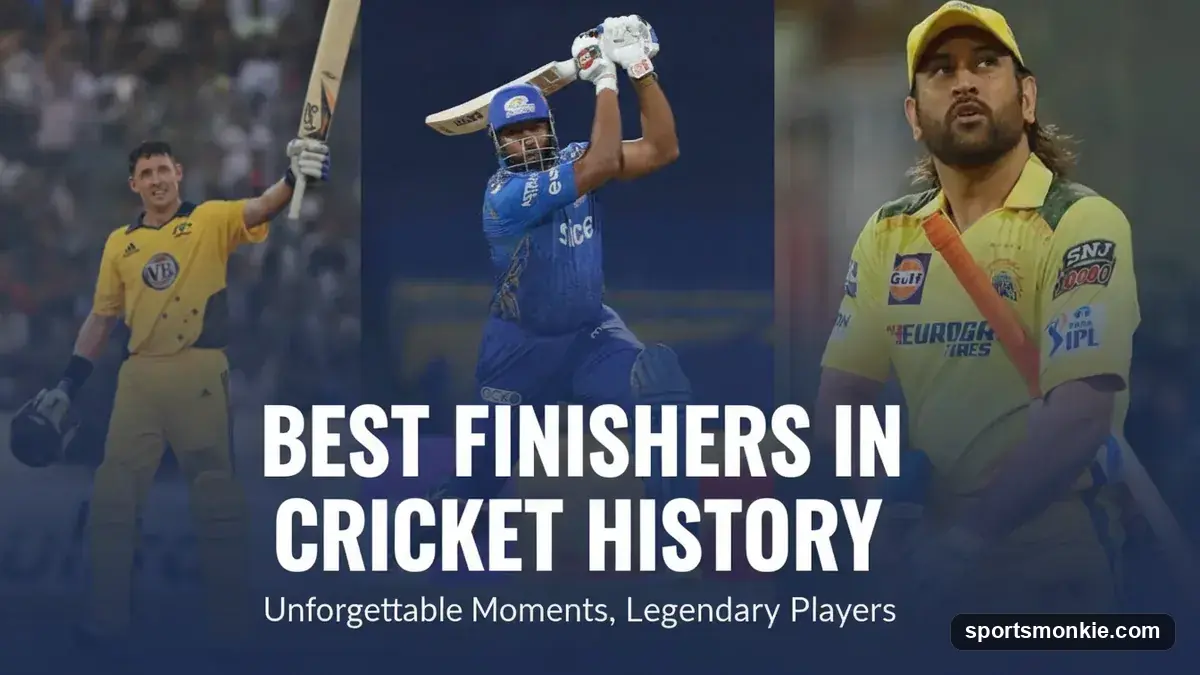
We ranked finishers on match-winning output in the moments that decide trophies — World Cup and franchise finals, knockout chases, last-over targets — then weighted career-long consistency above any single hot season. Raw strike rate and total sixes broke ties; they did not lead them.
The greatest cricket finishers at a glance
| Rank | Finisher | Strongest case |
|---|---|---|
| 1 | MS Dhoni | Closed two World Cup wins |
| 2 | Michael Bevan | Original ODI chase specialist |
| 3 | AB de Villiers | Explosive all-angle scoring |
| 4 | Lance Klusener | Tournament-changing late hitting |
| 5 | Javed Miandad | Last-ball pressure legacy |
| 6 | Michael Hussey | Calm across ODI and T20 chases |
| 7 | Kieron Pollard | Franchise-cricket closer |
| 8 | Yuvraj Singh | 2011 World Cup impact |
- The gold standard
MS Dhoni
Dhoni is the only finisher on this list to personally seal two global titles: the inaugural 2007 T20 World Cup as captain and the 2011 ODI World Cup, where he promoted himself above an in-form Yuvraj Singh and closed the chase unbeaten on 91 with a straight six off Nuwan Kulasekara. That willingness to own the decisive moment, not just survive it, is what puts him ahead of Bevan.
His method was arithmetic more than aggression — he took chases as deep as the equation allowed, then cashed the last five overs. He also captained India across formats and ranks among the most successful cricket captains the game has produced.
Country: India · Peak: 2004–2020 · Defining feat: 91* to win the 2011 World Cup final
- The original
Michael Bevan
Bevan invented the modern No. 6 finisher before T20 existed to reward it. His signature win came at the SCG on New Year's Day 1996, when he struck the final ball for four off Roger Harper to beat the West Indies, finishing 78 not out.
He ranks below Dhoni only because he closed no world titles himself, but his chase discipline was arguably purer: an ODI average above 53, built on relentless strike rotation and almost never throwing his wicket away. He stays a fixture on lists of the greatest cricketers of all time.
Country: Australia · Peak: 1994–2004 · Defining feat: last-ball four vs West Indies, SCG 1996
- The explosive alternative
AB de Villiers
Where Dhoni and Bevan won on composure, de Villiers won on range — he could shift from blocking to 360-degree carnage inside an over, hitting balls from outside off to the fine-leg boundary that fields simply could not cover. His 31-ball ODI century against the West Indies in Johannesburg in 2015 stands as the fastest in the format.
He ranks third rather than higher because his knockout record never delivered a global trophy, a gap Dhoni closed twice. Even so, he sits among the game's most dangerous hard hitters.
Country: South Africa · Peak: 2004–2018 · Defining feat: 31-ball ODI century (fastest ever)
- Tournament wrecker
Lance Klusener
For the two seasons either side of the 1999 World Cup, no one closed innings harder. Klusener was named Player of the Tournament in 1999 after dragging South Africa through the group and Super Six stages almost single-handedly with unbeaten, boundary-heavy chases.
He ranks above the era's other one-tournament stars because his peak output was denser: a strike rate near 130 in an age when 90 was brisk, generated with a heavy bat swung straight down the ground rather than any trick shot.
Country: South Africa · Peak: 1996–2004 · Defining feat: Player of the 1999 World Cup
- The pressure specialist
Javed Miandad
Miandad was cricket's closer before the job had a name. His last-ball six off Chetan Sharma to win the 1986 Austral-Asia Cup final in Sharjah is still one of the sport's most replayed shots and made him a folk hero across South Asia.
He edges the modern names below him because he did it without the shorter formats or fielding restrictions that make late hitting easier now. His game was street-smart rather than powerful — reading fields, baiting bowlers, treating a tense chase as a puzzle.
Country: Pakistan · Peak: 1975–1996 · Defining feat: last-ball six, 1986 Austral-Asia Cup final
- Mr Cricket
Michael Hussey
Hussey gave Australia a finisher who could nudge or detonate on demand. His nerve held against the best death bowlers of the late 2000s — most famously an unbeaten 60 off 24 balls to steal the 2010 World T20 semi-final from Pakistan.
He sits behind Miandad because his peak window was shorter, but his run-chase temperament was elite: a Bevan-like sense of the equation paired with more genuine six-hitting power than his predecessor ever had.
Country: Australia · Peak: 2005–2013 · Defining feat: 60* off 24 to win the 2010 WT20 semi
- Franchise closer
Kieron Pollard
Pollard built his case in franchise cricket rather than national colors, becoming central to Mumbai Indians' run of IPL titles and a fixture in leagues on every continent. He retired from West Indies internationals in 2022 but kept closing games on the T20 circuit.
He ranks here, not higher, because his international finishing was streakier than his franchise reputation suggests — but at his best few hitters were scarier with two overs left, and he sits among the most successful sixes hitters in T20.
Country: West Indies · Peak: 2007–2022 · Defining feat: multiple IPL titles with Mumbai Indians
- The 2011 catalyst
Yuvraj Singh
Yuvraj finished on timing more than brute force, shifting from watchful to explosive in a single over. His defining stretch was India's 2011 World Cup win, where he repeatedly rescued or closed innings and was named Player of the Tournament with 362 runs and 15 wickets.
He ranks above the current closers below him because he delivered that output on the biggest stage. His six sixes off Stuart Broad at the 2007 World T20 remain the format's most replayed over.
Country: India · Peak: 2000–2017 · Defining feat: Player of the 2011 World Cup
- England's modern heir
Jos Buttler
Buttler pairs orthodox power with ramps and reverse scoops few bowlers can pre-set a field for, and he was central to England's 2019 ODI World Cup win, running out New Zealand to seal the Super Over at Lord's. He stepped down as England's white-ball captain in early 2025 but has continued as a first-choice batter.
He ranks as the clearest modern heir to the de Villiers style, and features among players with the highest scores in T20 internationals.
Country: England · Peak: 2011–present · Defining feat: ran out NZ to win the 2019 World Cup final
- All-format closer
Hardik Pandya
Pandya's value is the balance he gives the XI: a finisher who also bowls, letting captains pick an extra batter or bowler around him. He has taken India home from tight knockout positions and reads exactly how many boundaries a chase still needs rather than swinging from ball one.
He ranks above the two specialists below because his match-winning has come in ICC knockouts, not just league cricket, where the pressure is highest and the margin thinnest.
Country: India · Peak: 2016–present · Defining feat: finisher-allrounder in India's ICC knockouts
- Power surge
Heinrich Klaasen
Klaasen turned steady chases into routs with minimal backlift, closing his T20I career on a strike rate near 142 — among the highest of any front-line international batter of his era. He retired from international cricket in 2025 to focus on franchise leagues, where he remains a marquee middle-order hitter.
He ranks below Pandya because his damage came mostly in bilateral series and league play rather than won knockouts, but at the death he was as destructive as anyone on this list.
Country: South Africa · Peak: 2019–2025 (intl.) · Defining feat: ~142 T20I strike rate
- The late bloomer
Dinesh Karthik
Karthik built his finishing reputation almost entirely after 35, when a reworked, whippy technique against spin turned him into one of the IPL's most dangerous late-overs hitters. His unbeaten 29 off eight balls to win the 2018 Nidahas Trophy final off the last ball is the innings that relaunched his career.
He ranks last because his sample as a pure finisher was short and league-heavy, but no one on this list did more with the back half of a career — he was still closing IPL games past 38.
Country: India · Peak: 2018–2024 · Defining feat: last-ball six to win the 2018 Nidahas final
Reader interaction
Build your ranking
Drag the entries into the order you think is right — or use the arrows — then submit to see how your list compares with everyone else's.
- MS Dhoni
- Michael Bevan
- AB de Villiers
- Lance Klusener
- Javed Miandad
- Michael Hussey
- Kieron Pollard
- Yuvraj Singh
- Jos Buttler
- Hardik Pandya
- Heinrich Klaasen
- Dinesh Karthik
Audience ranking
How everyone ranked them
Built from reader rankings using position-based points.
Twelve needed off the final over sounds like a coin flip until you know who is on strike. A finisher turns that coin flip into a near-certainty — coming in during the middle or lower order and winning matches from positions that should be lost. The 12 players ranked above built entire careers on that one skill. The sections below explain how we weighed them and how the role is actually judged.
How we ranked finishers
We started from outcomes, not aesthetics. The top of the list rewards closers who decided the biggest matches — World Cup and franchise finals, knockout chases, last-over targets — because finishing is a results job before it is a stats job. Career-long consistency then separated the field: an era-defining body of work, as with Bevan or Miandad, outweighs a single scorching season.
Raw strike rate and six counts were tie-breakers only. They flatter batters who arrive when a game is already won, so we leaned on chase-specific evidence — not-outs in successful run chases, output when the required rate was climbing — over totals that look loud in a highlight reel.
How finishing is actually judged
Coaches assess a finisher on three things. First, tempo control: the ability to bat at the required rate without a settling-in period. Second, game awareness — knowing the exact equation, which bowler is left, and where the boundaries are short. Third, shot range, including the improvised scoops, ramps and inside-out drives that beat a spread field.
Power is the most visible trait but not the most important. Strike rotation, hard running and dot-ball avoidance keep the equation manageable so the big hits are a bonus rather than a necessity.
Era caveats: comparing 1996 to 2026
Ranking across eras needs context. Bevan and Miandad finished before fielding restrictions, two new balls and shorter formats made late acceleration routine — a strike rate of 90 in the late 1990s did work that 140 does now. Modern closers like Klaasen and Karthik benefit from flatter pitches, bigger bats and franchise leagues that let them specialize in the role year-round.
That is why the list does not simply sort by strike rate. A number that looks modest today was often era-leading in its own time, and we weighted it accordingly.
At a glance
| Rank | Player | Country | Era | Signature moment |
|---|---|---|---|---|
| 1 | MS Dhoni | India | 2004–2020 | 91* and the winning six, 2011 World Cup final |
| 2 | Michael Bevan | Australia | 1994–2004 | Last-ball four off Roger Harper, SCG 1996 |
| 3 | AB de Villiers | South Africa | 2004–2018 | 31-ball ODI century, the fastest ever |
| 4 | Lance Klusener | South Africa | 1996–2004 | Player of the 1999 World Cup |
| 5 | Javed Miandad | Pakistan | 1975–1996 | Last-ball six, 1986 Austral-Asia Cup final |
| 6 | Michael Hussey | Australia | 2005–2013 | 60* off 24 to win the 2010 WT20 semi |
| 7 | Kieron Pollard | West Indies | 2007–2022 | Franchise-cricket match-winner worldwide |
| 8 | Yuvraj Singh | India | 2000–2017 | Player of the 2011 World Cup |
| 9 | Jos Buttler | England | 2011–present | Ran out NZ to seal the 2019 World Cup |
| 10 | Hardik Pandya | India | 2016–present | Finisher-allrounder in ICC knockouts |
| 11 | Heinrich Klaasen | South Africa | 2019–2025 (intl.) | ~142 career T20I strike rate |
| 12 | Dinesh Karthik | India | 2018–2024 | Last-ball six, 2018 Nidahas final |
Related reading
The shots that make a finisher come from a small, high-risk toolkit. See our guides to the Marillier scoop, the paddle sweep, and the reverse scoop for how the modern closer beats a set field.
Frequently asked questions
Is a finisher just a lower-middle-order batter?+
No. Batting position and role overlap but are not the same thing. A finisher is defined by job, not slot: come in with the innings unresolved, absorb pressure as the required rate climbs, and score fast without gifting a wicket. Plenty of Nos. 5 to 7 are accumulators or anchors. A true finisher is trusted specifically because he lifts his strike rate in the closing overs rather than fading.
How do you measure a finisher statistically?+
There is no single stat, which is why rankings weigh several. The most telling are death-overs strike rate, batting average and not-out rate in successful run chases, and dot-ball percentage under pressure. Raw sixes tallies flatter big hitters who bat when games are already won. Analysts increasingly use situation-adjusted numbers — runs added versus the par score when the batter arrived — to separate genuine closers from front-runners.
Why don't openers or top-order batters count as finishers?+
Openers set a platform; finishers cash it in. The skills differ. A top-order batter usually has time to play in, a set field, and the freedom to bat through. A finisher walks in cold, often mid-collapse or mid-chase, and must hit near-boundary tempo from his first ball against death bowling and packed boundary riders. Some players do both, but the finishing role is judged only on those closing overs.
Have any bowling all-rounders been elite finishers?+
Yes, and two rank here. Lance Klusener and Hardik Pandya both bowl seam and close innings, which raises their value because a captain can pick an extra specialist elsewhere. The trade-off is workload: an all-rounder who bowls four overs and then bats at the death carries real fatigue risk. Pure finishers like Dhoni or Buttler concentrate entirely on the batting job, which is one reason they sit higher.
Do finishers matter more in T20 than in ODIs?+
The role is decisive in both but works differently. T20's compressed run-in means one over can swing the match, so raw death hitting is prized. ODIs give a finisher a longer, more variable window — 15 or 20 overs of tempo control, judging when to hold and when to launch. That is why some ODI-era finishers, like Bevan and Hussey, are ranked on chase-management skill as much as power.
Who is the best finisher never to win a World Cup?+
Among this list, AB de Villiers and Lance Klusener stand out. De Villiers redefined late-innings hitting and carried South Africa deep into multiple tournaments without lifting the trophy, and Klusener was Player of the 1999 World Cup in a campaign that ended in a tied semi-final. Both show that ranking finishers on titles alone is unfair — knockout output and chase records matter as much as the medal count.
Sources
Play & tools
Free browser games and tools — no account, no download.
- Play today's Sports Connections — Today's Sports Connections — daily hints, answers, and play the grid.
- Play Guess the NFL Player — A new mystery NFL player every day. Eight guesses, with a clue on each — plus free unlimited mode.
- Explore all our games →
Related cricket guides
View all →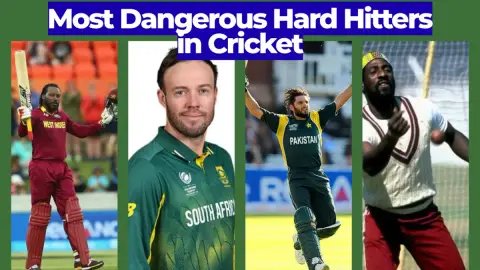
Most Dangerous Hard Hitters in Cricket, Ranked
The 12 most dangerous hard hitters in cricket, ranked with six counts, strike rates, and records — from Viv Richards and Chris Gayle to Rohit Sharma and Andre Russell.
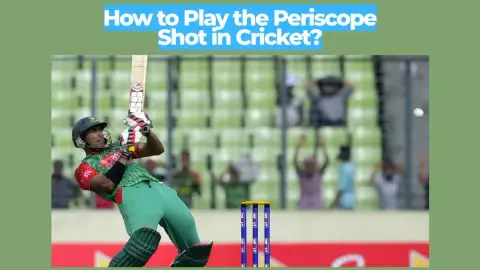
How to Play the Periscope Shot in Cricket
The periscope shot is a vertical-bat stroke to short balls at the body, holding the bat upright to deflect it over the leg-side fielders. Learn the method.
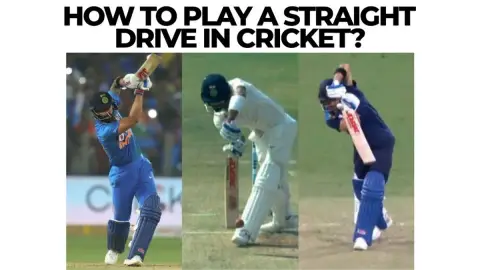
How to Play a Straight Drive in Cricket: Technique and Timing
The straight drive is cricket's classic front-foot shot, played to a full ball on off stump and hit past the bowler. Learn the stance, grip, and swing.
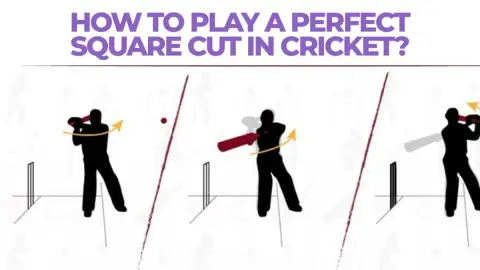
How to Play a Perfect Square Cut in Cricket: Step-by-Step
The square cut is played to a short, wide delivery outside off stump. Learn the grip, back-foot movement, and bat swing to send the ball through point.
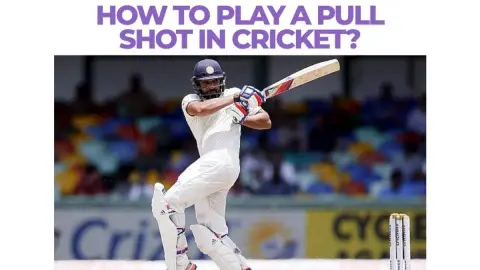
How to Play a Pull Shot in Cricket: Grip, Stance, and Timing
The pull shot is a back-foot attacking stroke to short deliveries at waist to chest height, hit square on the leg side. Here is how to play it correctly.
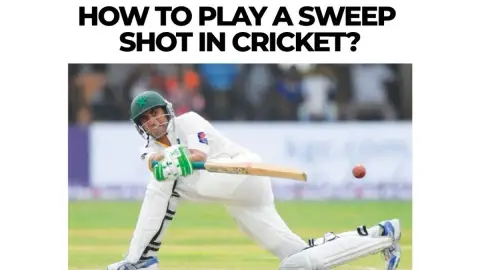
How to Play a Sweep Shot in Cricket: Complete Technique Guide
The sweep shot is a front-foot stroke to full-length spin, hitting the leg side with a horizontal bat. Learn the kneeling position, grip, and placement.