
Benefits of Playing Tennis: Health, Mental, and Social Gains
On this page4
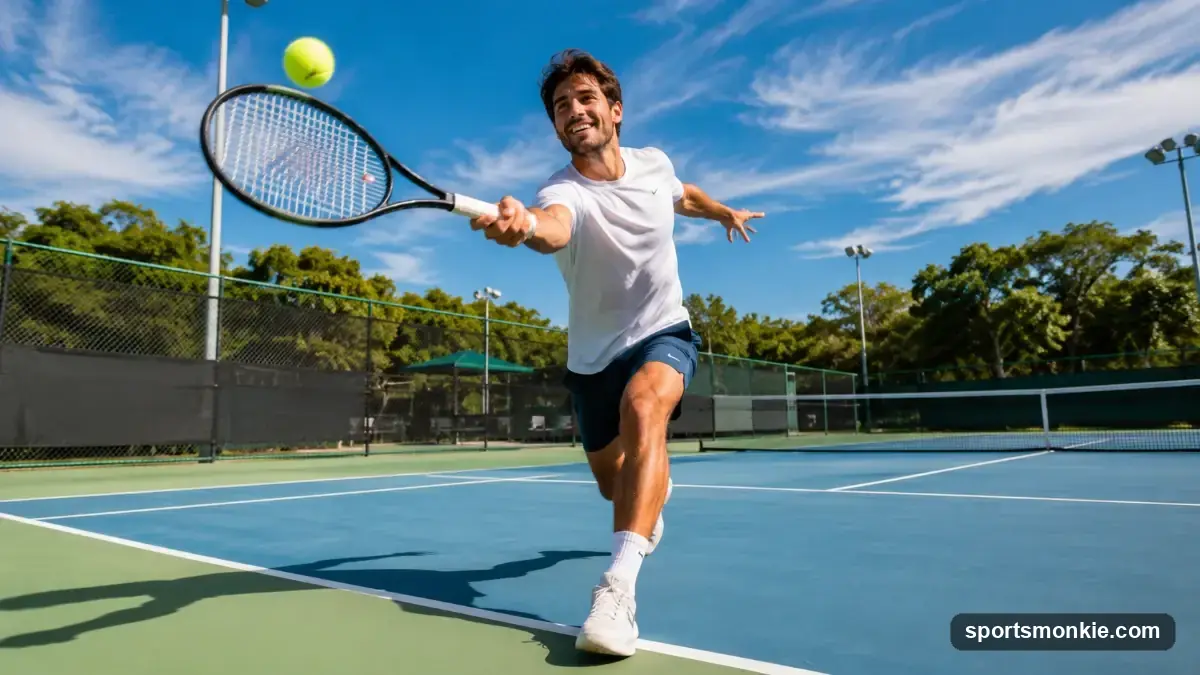
A doctor can’t prescribe a sport, but if they could, tennis would make a strong case for itself. It asks the heart to work in intervals, the legs to sprint and stop hundreds of times a match, and the mind to solve a moving puzzle point by point. Few activities pack that much into two hours on a court.
Unlike a treadmill or a stationary bike, tennis doesn’t require willpower to get through the session. The scoreline, the rally, the next shot, all of that pulls you forward without a coach standing over you. That built-in motivation is a big part of why researchers keep finding strong health outcomes tied to racket sports, and why so many players stay on court well into their 60s and 70s.
Physical Benefits of Tennis
Tennis demands speed, agility, power, balance, and endurance in the same ten seconds. A singles match can involve thousands of short sprints, lateral movements, and sudden changes of direction, which adds up to a genuinely demanding full-body workout.
| Benefit | How Tennis Delivers It |
|---|---|
| Cardiovascular fitness | Constant movement elevates heart rate |
| Leg strength and power | Sprinting, lunging, and directional changes |
| Upper body strength | Serving, groundstrokes, and volleys |
| Core stability | Rotation through every stroke |
| Flexibility and coordination | Reaching, stretching, and footwork |
| Balance and agility | Rapid court movement and recovery |
Cardiovascular Health
The stop-start nature of tennis mimics interval training: brief bursts of intense effort followed by short recovery pauses. This pattern benefits heart health, and long-term racket sport participation is linked to notably lower rates of cardiovascular mortality compared with sedentary lifestyles.
Bone Density
Weight-bearing, high-impact activities like tennis help maintain bone density, which matters more as people age and osteoporosis risk climbs.
Weight and Metabolism
A hard-fought singles match burns a substantial number of calories, largely because it engages large muscle groups again and again over an hour or more. Combined with the aerobic and anaerobic demands of the sport, tennis supports healthy weight management.
Mental and Cognitive Benefits
Players sometimes call tennis “chess at 60 miles an hour.” You have to read an opponent, construct points with a plan, manage your emotions under pressure, and decide in a split second whether to go crosscourt or down the line.
Focus and Concentration
Tracking a fast-moving ball, positioning your body, and anticipating the next shot trains sustained concentration, a mental skill that carries over into work and daily life.
Stress Relief
Exercise releases endorphins, and the social, competitive nature of tennis adds an emotional outlet that a solo gym session rarely provides. Plenty of players say the court is the one place their worries actually go quiet.
Emotional Resilience
Losing a point you should have won, riding out a momentum swing, staying composed at 5-5 in the third: all of that builds psychological resilience. Coaches and sports psychologists point to these moments as training for high-pressure situations off the court.
Social Benefits
Tennis is built around contact with other people. Doubles forces communication and partnership. Club tennis hands you a ready-made community. And the format itself, played face to face across a net, creates interaction that solo training can’t match.
- Doubles tennis develops teamwork and communication
- Club membership provides regular social contact and community belonging
- Mixed-age play lets juniors, adults, and seniors share a court
- Lifelong sport — many players continue into their 70s and 80s
Tennis at Any Age
The sport scales in a way few others do. A beginner can enjoy a social hit in their first session. An elite junior can train full-time toward a professional career. A club player in their 60s or 70s can still compete meaningfully, often in the same league as someone forty years younger. No other major racket sport spans the lifespan quite this well.
A natural follow-up read is What Color Is a Tennis Ball? The Science Behind the Yellow-Green.
A natural follow-up read is What Is a Walkover in Tennis? Rules and Examples.
If you found this useful, our breakdown of What Is Tennis Elbow? Causes, Symptoms, and Treatment covers related ground.
Frequently asked questions
Is tennis good for cardiovascular health?+
Yes. Tennis involves repeated short bursts of high-intensity movement and recovery, making it an excellent interval-style cardiovascular workout that can support heart health over time.
Can older adults benefit from playing tennis?+
Absolutely. Tennis is well-suited to older adults because it combines moderate aerobic exercise with social interaction. Many clubs offer modified formats such as doubles and shorter court tennis for seniors.
Does tennis help with weight loss?+
Tennis can support weight management as part of a healthy lifestyle. A singles match involves considerable running and explosive effort, contributing meaningfully to calorie expenditure.
What muscles does tennis work?+
Tennis is a full-body workout. It engages the legs and core for movement and balance, the shoulders, arms, and back for strokes, and the wrists and forearms for racket control. The repeated sprinting, pivoting, and swinging build both strength and muscular endurance.
Is tennis good for mental health?+
Yes. Like most exercise, tennis releases endorphins that reduce stress and improve mood. It also sharpens concentration, strategic thinking, and hand-eye coordination, and its social nature — especially in doubles or club play — provides connection that further supports mental wellbeing.
How many calories does tennis burn?+
A vigorous singles match can burn roughly 400 to 600 calories per hour for many adults, depending on intensity, body weight, and effort. Doubles burns fewer calories because there is less court to cover, but it still provides meaningful exercise.
Is tennis a good way to stay fit long term?+
Very much so. Tennis can be played at almost any age and adapted in intensity, making it a genuinely lifelong sport. Its mix of cardiovascular exercise, strength, coordination, and social interaction makes it one of the most well-rounded activities for long-term health and fitness.
Sources
Play & tools
Free browser games and tools — no account, no download.
- Play today's Sports Connections — Today's Sports Connections — daily hints, answers, and play the grid.
- Play Guess the NFL Player — A new mystery NFL player every day. Eight guesses, with a clue on each — plus free unlimited mode.
- Explore all our games →
Related tennis guides
View all →
What Is Deuce in Tennis? Score, Advantage, and Tiebreaks
Deuce in tennis means both players have reached 40, so one player must win two straight points to take the game.
What Is Hawk-Eye in Tennis? How Electronic Line Calling Works
Hawk-Eye uses multiple cameras and ball-tracking software to judge whether a tennis shot landed in or out.
Walkover vs Retirement in Tennis: What Is the Difference?
A walkover happens before a match begins; a retirement happens after play starts. The distinction affects results, records and tournament administration.
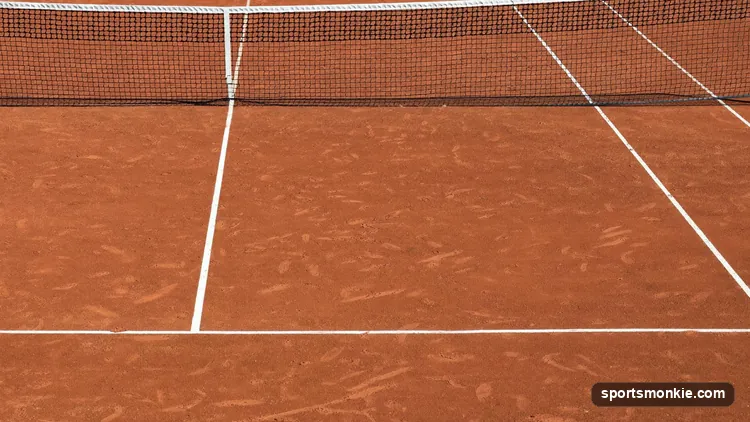
Clay Court Tennis: Surface, Rules, and Why It Plays So Slow
Clay court tennis is the slowest surface with the highest bounce. See red vs. green clay, sliding, ball marks, upkeep, and why Nadal owns it.
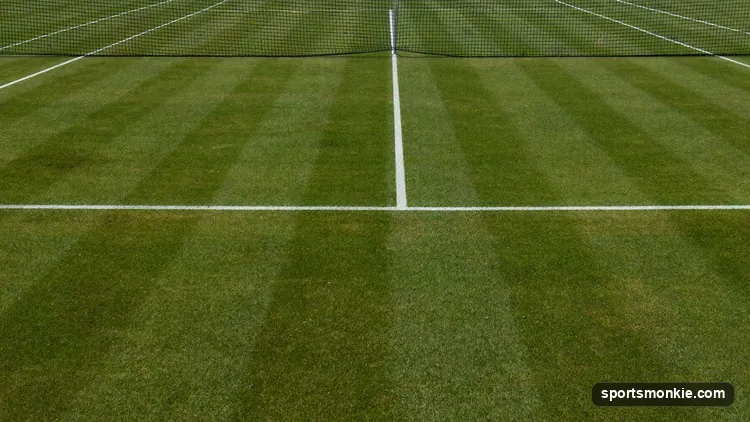
Grass Court Tennis: Why the Fastest Surface Plays So Different
Grass court tennis is the fastest, lowest-bouncing surface in the sport, per ITF's own pace rating. How Wimbledon's ryegrass shapes serve-and-volley play.
Hard Court Tennis: Construction, Speed, and Why It's the Most Common Surface
Hard court tennis is played on rigid acrylic-coated asphalt or concrete, the medium-fast, most consistent surface used at the US Open and Australian Open.